Closest to your answers
All major brands, fit to you
Hearing Aids in Southaven, MS
Southaven Hearing Health Center fits and services all the major hearing aid brands. The name on the hearing aid matters less than whether it’s chosen for your hearing and then checked while you wear them, which is why we start with the choice that actually changes your day: the fit.
Start with the style
Find the right hearing aid style for you.
What a hearing aid looks and feels like from day to day comes down to its shape. The major brands offer most of the same ones, so this is the choice that actually changes your experience. Answer four quick questions and we’ll point you to the one that suits you.
Four questions, one at a time. The closest style appears here at the end, and you can change any answer afterwards.
Explore all hearing aid styles
-
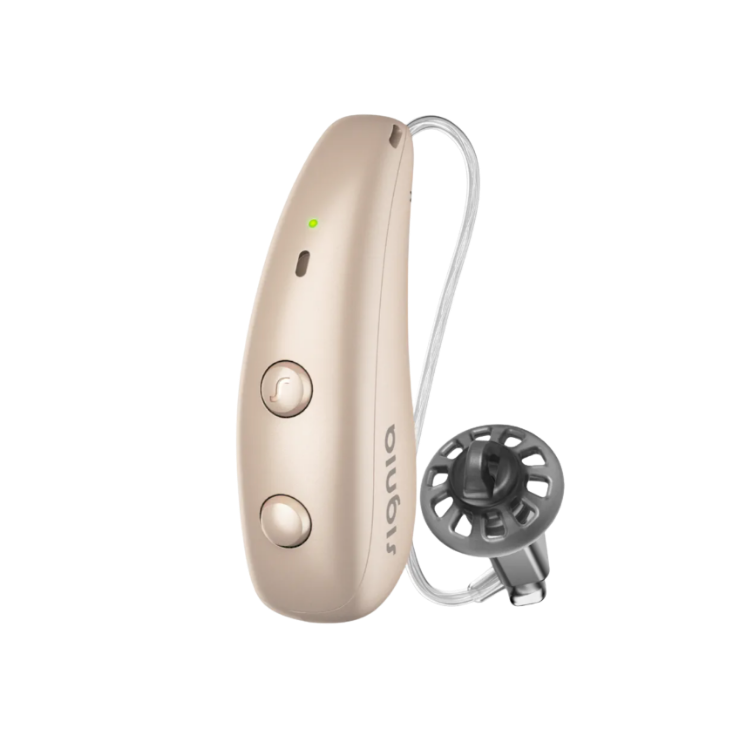
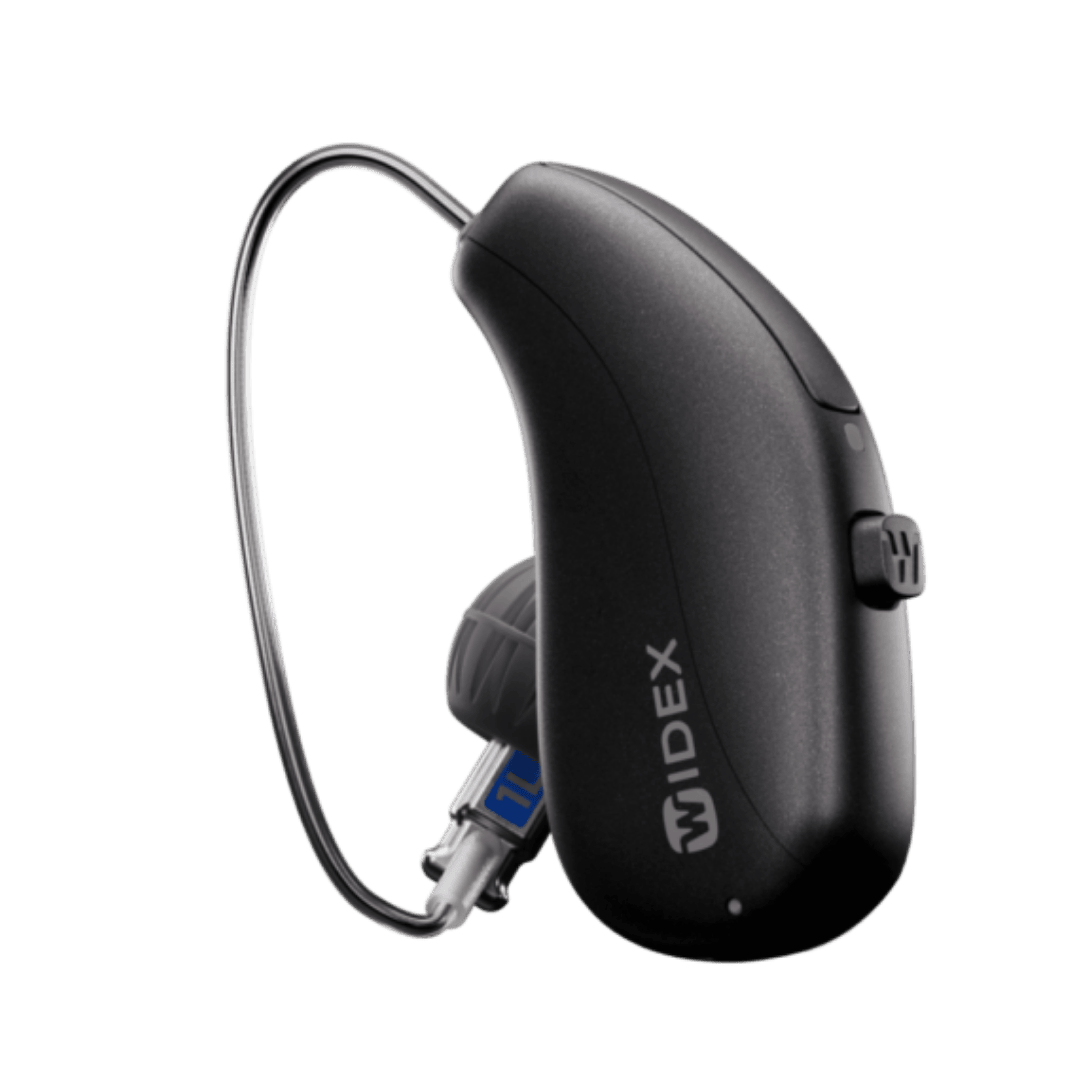
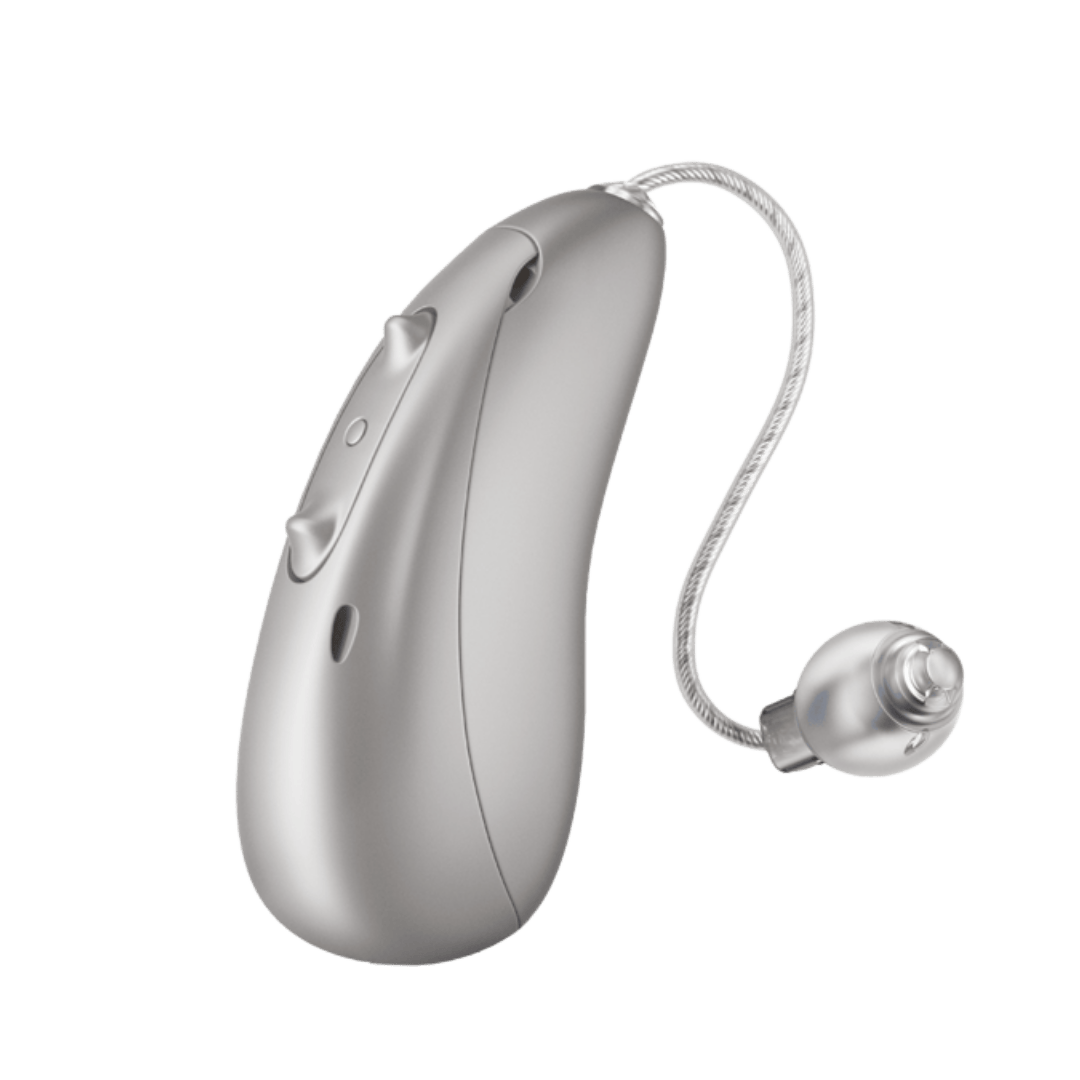
RIC Receiver-in-canal
- How visible it is
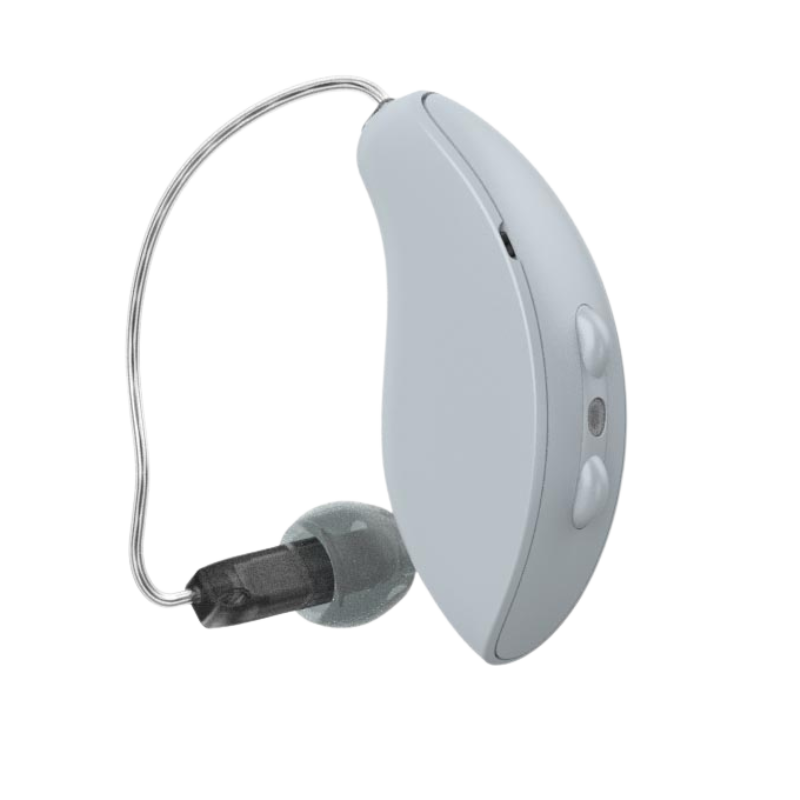
- Discreet. A slim case tucks behind the ear and a thin wire runs into the canal.
- Handling it day to day
- Easy enough to hold. There is a whole case to grip, and the wire guides it in.
- Power
- Rechargeable is common at this size, and a disposable-battery version is usually offered.
- Levels of loss it suits
- Mild through severe. The most versatile of the styles.
- Where it does its best work
- An all-rounder: conversation, television, groups, and sound sent from a phone.
-
BTE Behind-the-ear
- How visible it is
- The most noticeable of the styles. The whole hearing aid sits behind the ear with a soft tube over the top.
- Handling it day to day
- The easiest of the styles. The largest body, the biggest controls, the simplest to pick up.
- Power
- Rechargeable is common, and disposable batteries are widely available.
- Levels of loss it suits
- Every level, including the most severe. Nothing else here reaches as far.
- Where it does its best work
- Severe loss, and anyone who wants controls they can find without looking.
-
ITE In-the-ear
- How visible it is
- Visible in the bowl of the ear, with nothing sitting behind it.
- Handling it day to day
- The faceplate is large enough for controls you can feel, and the custom shell seats the same way every time.
- Power
- Usually a disposable battery. Rechargeable custom builds exist but are less common.
- Levels of loss it suits
- Mild through severe, depending on how the shell is built.
- Where it does its best work
- Anyone who wants the controls on the hearing aid itself and nothing behind the ear.
-
ITC In-the-canal
- How visible it is
- Less visible. A smaller custom shell that sits partway into the canal.
- Handling it day to day
- Small. It needs steady fingers, though there is still room for a control you can reach.
- Power
- A small disposable battery. Rechargeable is uncommon at this size.
- Levels of loss it suits
- Mild through moderately severe.
- Where it does its best work
- The middle ground: noticeably discreet, still practical to handle every day.
-
CIC Completely-in-canal
- How visible it is
- Barely visible. It sits deep in the canal with only a small pull-cord showing.
- Handling it day to day
- Small enough to want steady fingers and good light. It comes out by the cord.
- Power
- The smallest disposable battery. There is no room for a rechargeable cell.
- Levels of loss it suits
- Mild to moderate.
- Where it does its best work
- Everyday listening at home and one-to-one, where going unnoticed matters most.
-
IIC Invisible-in-canal
- How visible it is
- Not seen in normal conversation. Fitted deep enough to stay out of sight.
- Handling it day to day
- The smallest of the styles. Placed and removed by a cord, and fiddly by design.
- Power
- The smallest disposable battery. There is no room for a rechargeable cell.
- Levels of loss it suits
- Milder loss.
- Where it does its best work
- Anyone whose first requirement is that nobody can tell.
Two of your answers can rule out the smallest styles, because they cannot hold a rechargeable battery or deliver enough power for more severe hearing loss. The other two answers only change the order of the results. Everything here describes the styles in general, not any one product, and none of it is a diagnosis. What is right for your ears is settled in the room, with your results in front of us.
We offer all the top hearing aid brands.
Southaven Hearing Health Center fits and services all the major hearing aid brands, so your shortlist is built around your ears, not around what happens to be on a shelf.
Not sure which to try? Call 662-510-8247 and ask. We fit all the major brands, and which styles a given maker offers is something we go through with you.
How we check the fit
What Real Ear Measurement actually shows
The same hearing aid, programmed exactly the same way, delivers different sound in two different ears, because no two ear canals are the same size or shape. Real Ear Measurement (REM) places a soft, thin tube into your canal alongside the hearing aid and measures what is actually arriving at your eardrum.
Louder Softer Low frequency High frequency
- Prescription target
- First setting, measured
- After adjustment, measured
This is an illustration of how the check works, not a patient's results. We left the numbers off on purpose: the shape of these lines is different for every ear, and yours is drawn from your own test.
-
The target
Your test results set a target: how much help you need at each frequency, from low to high. It is a prescription, and it is different for every ear.
-
The first measurement
With the hearing aid in place and the probe tube running past the tip of it, we measure what is actually reaching the eardrum on the hearing aid's opening settings.
-
The gap
Those opening settings almost never land on target. The size and shape of your canal change the sound on its way in, which is exactly what a default setting cannot know.
-
Measured again
The hearing aid is adjusted and measured again until what arrives lines up with the target. Skip this step and the difference stays invisible: the hearing aid sounds like it is working, and nobody can tell you whether it is.
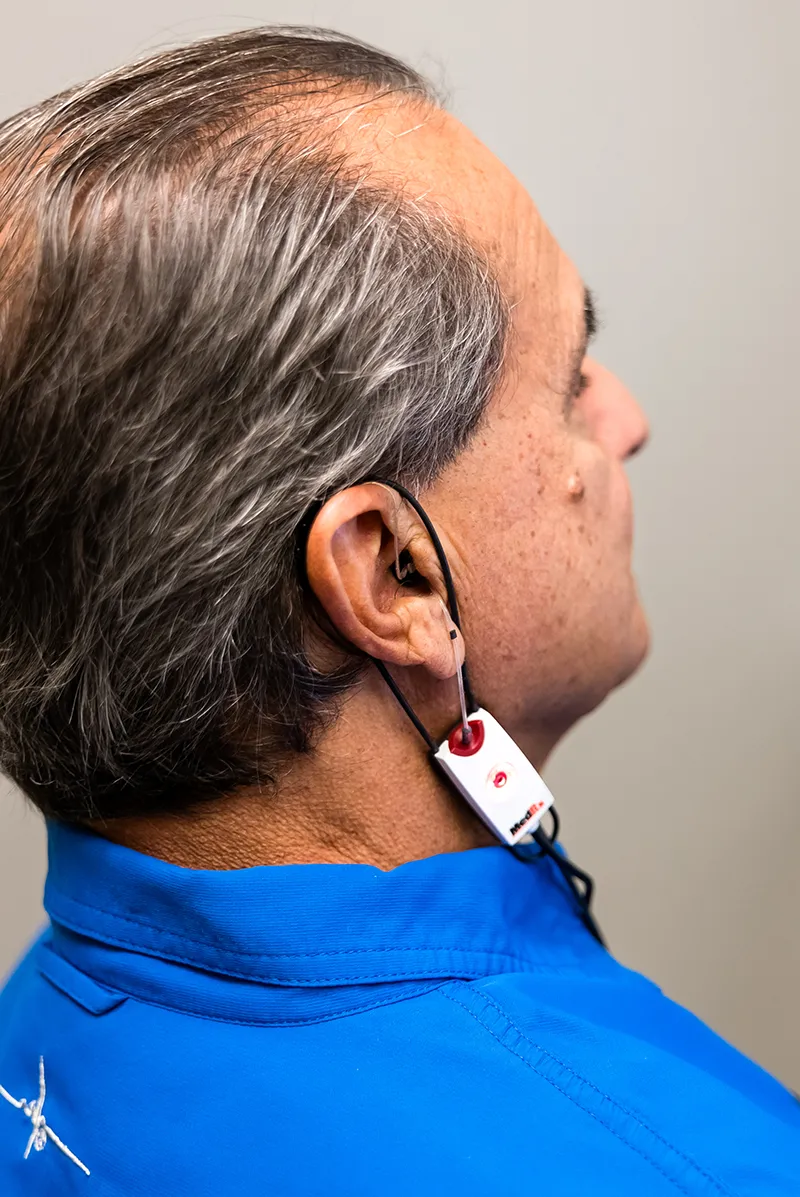
The thin tube in this photograph is the probe tube. It runs into the canal beside the hearing aid, past the tip of it, and carries the sound back to a small microphone, so we can measure what you actually receive at the eardrum, which can differ from what the hearing aid is sending.
It adds a few extra minutes to the fitting. It shows whether your hearing aids are delivering the sound your prescription calls for.
Fittings at Southaven Hearing Health Center are verified with Real Ear Measurement, whichever brand and whichever style you choose.
What stays the same
- Brands fitted and serviced
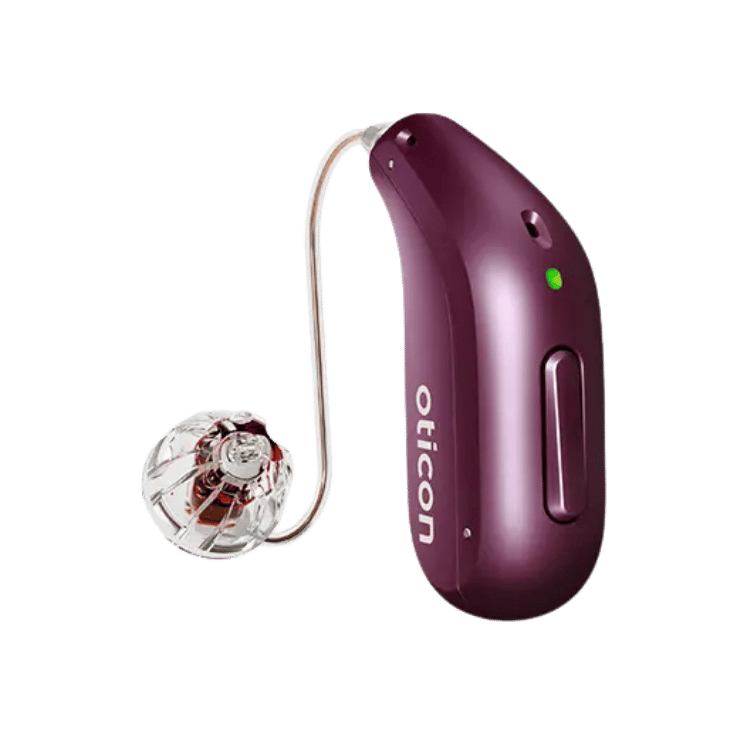
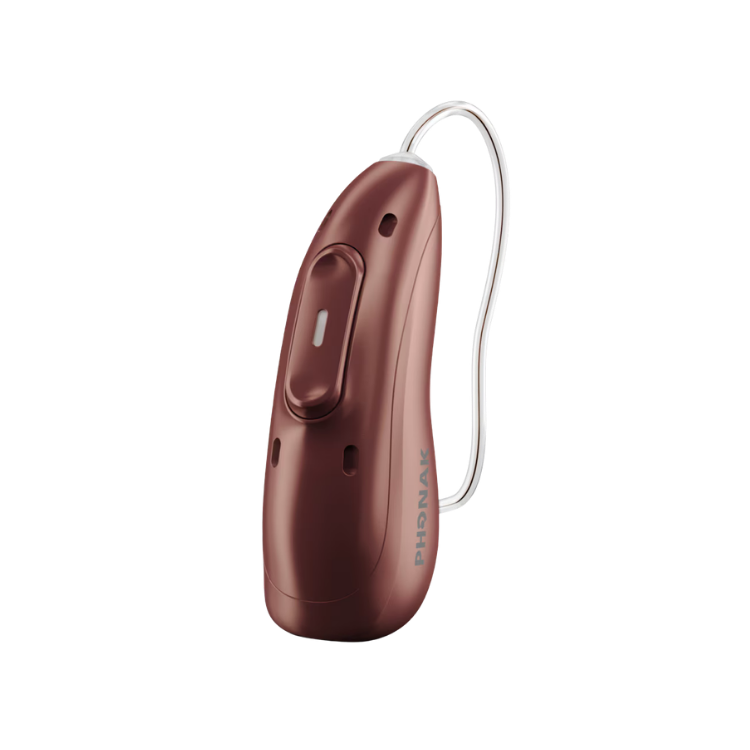
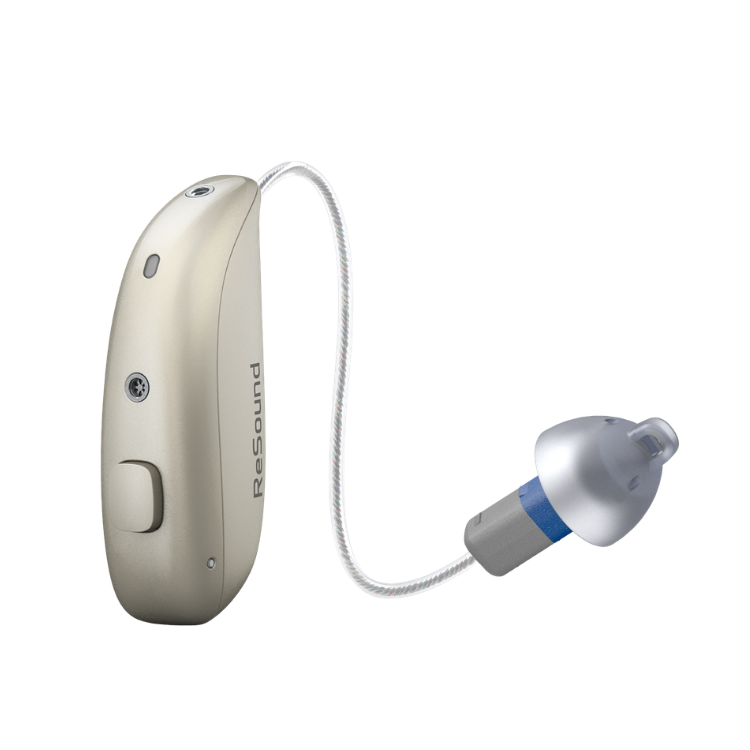
- All the major brands, fitted and serviced here. OticonPhonakReSoundStarkeySigniaWidexUnitron
- How the fitting is verified
- Real Ear Measurement at the fitting, a check of the sound the hearing aids deliver inside your ear.
- What the recommendation is built on
- Air, bone, and speech testing, plus a cognitive screening when appropriate, so the recommendation reflects the full result, including the audiogram (the chart of what you can and can’t hear).
- Who you see
- Rachel Huber, Au.D., audiologist and practice owner, and Perry Hershfelt, Au.D.
- Afterwards
- Adjustments, cleanings, and repairs. Your hearing changes over time, and follow-up care is part of the plan.
- When we are open
- Monday through Thursday, 8:30 AM to 4:30 PM. The last appointment of the day is at 4:00 PM.
Schedule an appointment at our Southaven office.
Call or send a message and we’ll help you schedule a hearing evaluation. Mon–Thu, 8:30–4:30 · last appointment 4:00.
5699 Getwell Rd, Bldg H, Ste 1, Southaven, MS · 662-510-8247
Request an Appointment

Rachel Huber, Au.D.
Audiologist
Yes. We verify fittings with Real Ear Measurement, so your hearing aids are matched to your prescription rather than to a software estimate.
We start with a conversation about your concerns and a look in your ears, followed by comprehensive hearing testing and a clear, plain-language explanation of your results. When it’s helpful, we’ll also include a brief cognitive screening.
Monday through Thursday, 8:30 AM to 4:30 PM, with the last appointment at 4:00 PM. We’re closed Friday through Sunday.
Our office
Find us on Getwell Road in Southaven.
5699 Getwell Rd, Building H, Suite 1
Southaven, MS 38672
Mon–Thu 8:30–4:30 · last appointment 4:00